Unlocking Industrial Excellence with the TX88A – A Comprehensive Guide

admin
Tháng 5 9, 2026 • 4 tháng trước
The TX88A is a breakthrough in industrial technology, redefining productivity standards across various sectors. In this blog post, we’ll explore its specifications, features, integration strategies, maintenance protocols, and its position in the industry compared to traditional alternatives.
Overview and Technical Specifications of the TX88A
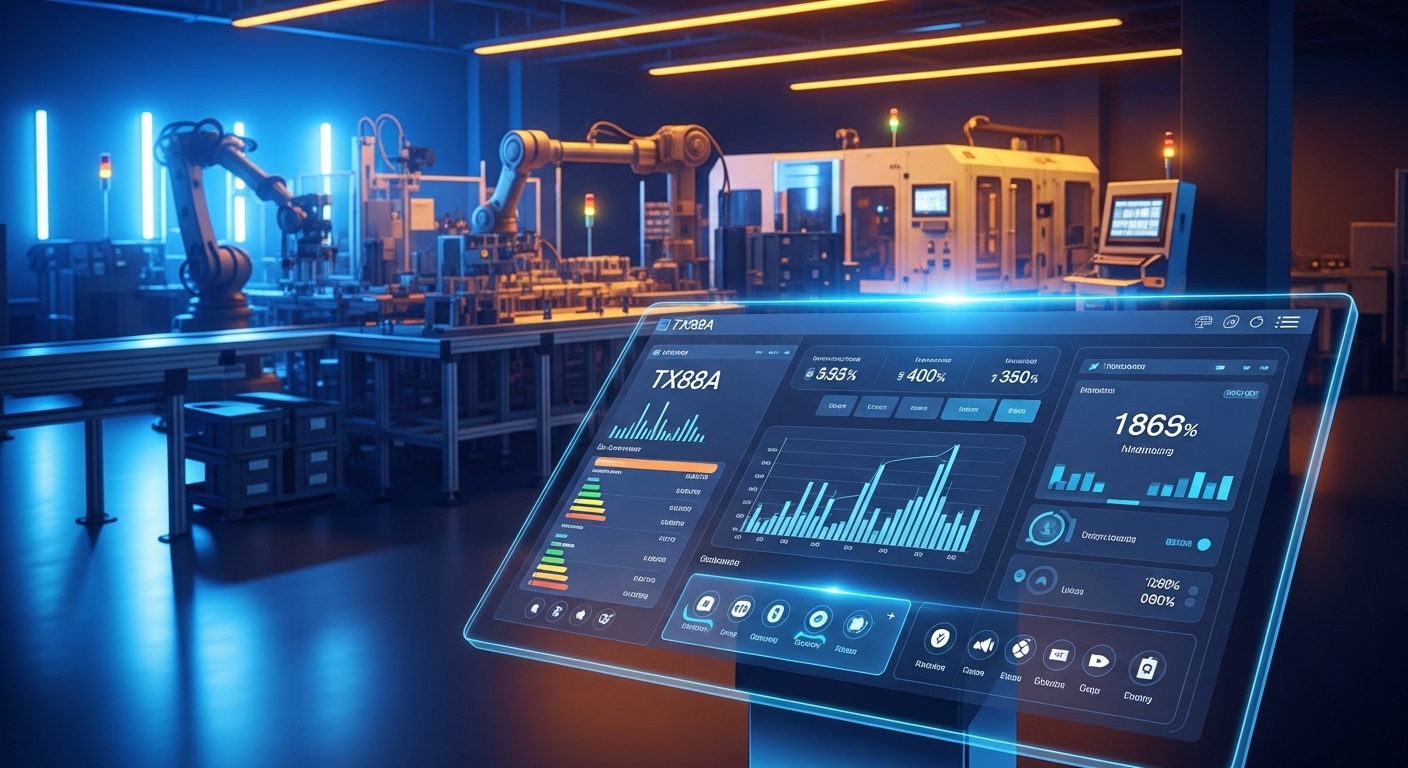
The TX88A marks a significant advancement in the field of industrial automation and control systems. This state-of-the-art equipment is designed to enhance operational efficiency while maintaining ease of use. With its robust design, the TX88A includes a series of features aimed at optimizing the productivity of manufacturing processes. Its specifications include a powerful CPU capable of handling extensive computational tasks, exceptional memory storage options, and a high-resolution display that enables real-time monitoring and control.
What makes the TX88A stand out is its versatile connectivity options, including Ethernet, USB, and serial ports. This versatility allows easy integration with existing systems, facilitating seamless data exchange and communication among machines. Additionally, the TX88A is equipped with advanced software capabilities that promote automation and real-time data analytics, making it an indispensable tool for any modern manufacturing facility.
Key Features and Operational Advantages of TX88A Systems
One of the key features of the TX88A systems is their adaptive control capabilities. By utilizing machine learning algorithms, these systems can analyze operational data and adjust processes in real time, significantly reducing downtime and increasing throughput. This adaptability makes the TX88A ideal for industries requiring high precision and flexibility. Furthermore, the system has built-in safety protocols that automatically shut down operations in case of anomalies, ensuring personnel safety and equipment longevity.
Another remarkable advantage of the TX88A is its user-friendly interface. The intuitive control panel allows operators of all skill levels to navigate the system easily. Training time is reduced, enabling factories to focus on production rather than skill development. The integration of touch screen technology offers an interactive experience, enhancing operator engagement and operational oversight. The efficiency and user-friendliness of TX88A lead to better decision-making, ultimately contributing to the overall success of industrial operations.
Integration Strategies for TX88A in Industrial Applications
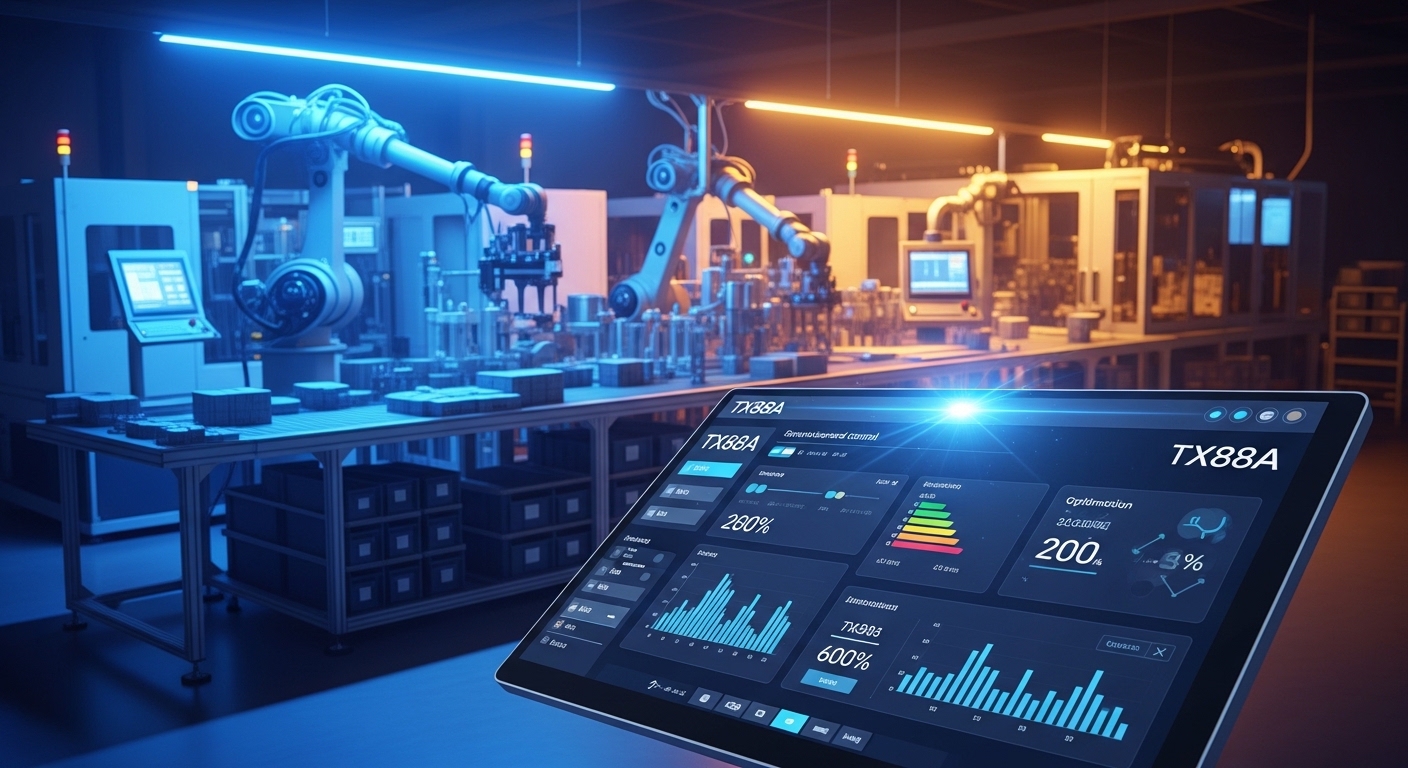
Integrating the TX88A into existing industrial applications requires a strategic approach. First, it’s crucial to conduct a thorough analysis of current systems to identify compatibility issues and data flow requirements. Assessing these parameters allows for a customized integration plan tailored to the specific needs of your operation. It’s also essential to involve all stakeholders in the planning process; operators, engineers, and management should collaborate to ensure that the TX88A complements existing workflows rather than complicating them.
Once the integration plan is established, it is vital to execute the process systematically. This may involve phased rollouts that allow for real-time adjustments and monitoring. Utilizing a performance feedback loop can help in identifying issues during the integration of TX88A, ensuring that any hiccups can be addressed promptly. Over time, continuous training sessions and regular updates can cultivate a culture of resilience and adaptability among the workforce, ultimately maximizing the benefits derived from the TX88A.
Maintenance Protocols for Optimizing TX88A Performance
To ensure that the TX88A operates at peak performance, meticulous maintenance protocols must be embraced. Regular inspections of both hardware and software components are imperative. Scheduled checks and updates can not only prolong the lifespan of the system but also minimize unexpected breakdowns that can lead to costly downtimes. Moreover, maintaining a clean environment around the TX88A is essential—a build-up of dust and debris can negatively affect equipment performance.
In addition to physical maintenance, it’s also important to ensure that personnel are adequately trained in operating the TX88A. Understanding how the system works allows operators to carry out preemptive checks and recognize potential issues before they escalate. Incorporating a maintenance management software or a digital dashboard can also help keep track of service schedules, part replacements, and other essential data, fostering a proactive approach to equipment management.
Comparative Analysis: TX88A Versus Conventional Alternatives
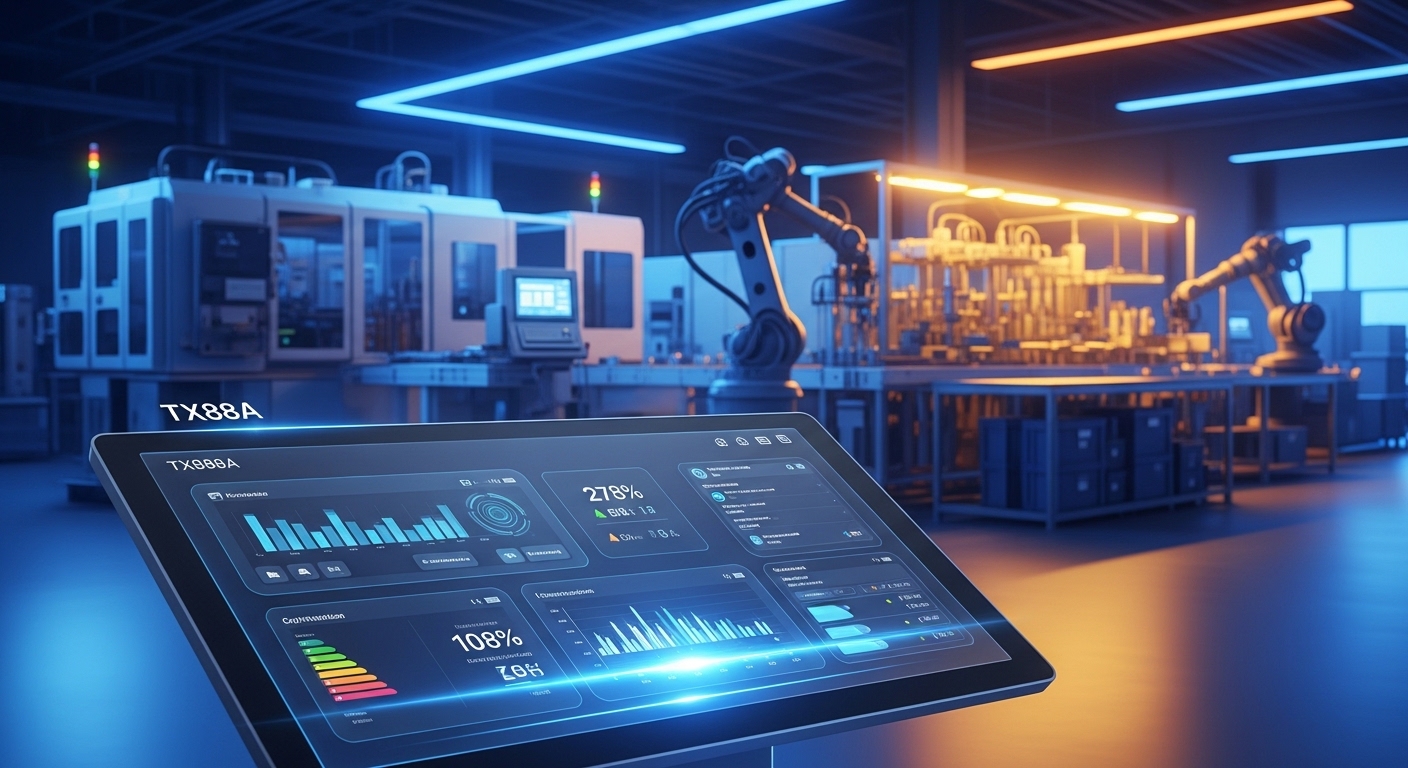
When comparing the TX88A to conventional alternatives, the differences become strikingly apparent. Traditional systems often lack the adaptability and intelligence that the TX88A integrates. For instance, older control systems may require manual data input and adjustments, which not only increases labor costs but also leaves room for human error. The TX88A, however, streamlines these processes through automation, where data analytics and machine learning redefine the operational landscape.
Furthermore, conventional systems typically offer limited real-time insights, making it difficult for operators to respond quickly to changes in production demands. The TX88A’s robust analytics provide comprehensive insights, enabling businesses to make informed decisions promptly. In terms of return on investment, the efficiencies gained from adopting the TX88A can outweigh the initial costs, especially when considering the potential losses incurred from using traditional systems that are prone to delays and inaccuracies.
Future Developments and Industry Trends for TX88A Technology
The future of TX88A technology is promising, with several trends poised to shape its evolution. One key trend is the increased focus on smart factories—environments where machines and equipment are interconnected through the Internet of Things (IoT). The TX88A fits seamlessly into this paradigm, as its hybrid capabilities will allow it to communicate with various machines across production lines, fostering a cohesive and efficient working environment.
Moreover, data security will be a hot topic as industries adopt more automated solutions like the TX88A. With the rise of cyber threats, the TX88A is likely to see advancements in security protocols to protect sensitive operational data. Future updates may incorporate advanced encryption techniques and secure cloud computing solutions, ensuring robust defenses against potential breaches. As industries continue to evolve, the TX88A will serve as a foundation for technological advancement and operational excellence.
Conclusion
The TX88A is reshaping the landscape of industrial technology, bringing a wealth of advantages from its adaptive features and seamless integration capabilities to superior maintenance protocols. As companies seek ways to enhance their operational efficiency, the TX88A provides a compelling alternative to conventional systems, showcasing the future of automation in a rapidly changing industrial environment. With advancements in smart technology and data security paving the way, the TX88A stands not just as a tool for today, but as a gateway to the industry’s tomorrow, empowering businesses to achieve unprecedented levels of productivity and innovation.